


Non-Invasive Restoration
of Existing Honeycomb

The above image shows the before and after of af Beistle novelty dancing figure Lasansky dates 1930-1937. Note the facial features will change across the decades in latter versions.
Over a decade earlier in days of initial blog The Sane Halloween Observer a musing is penned as author wonders if damaged honeycomb is at a permanent non-recoverable end. That original entry from December 14, 2014 is found here: Halloween Cat Rescue. Since then, on occasion, The Halloween Retrospect archive library has reviewed archive pieces, and if safely applicable, revive tissue paper honeycomb through simple non-destructive means. Such methods can be little more than re-gathering the honeycomb into its original accordion pattern that over time and pressure naturally regains its original material memory.
But how does one understand honeycomb? Simply put, tissue paper honeycomb (which hasn’t changed in decades) consists of two alternating layers of evenly spaced glue line that through systematic spacing create expanding dimension. In fact, if you want to make your own, there are many tutorials including this one from Gathering Beauty: How to Make DIY Honeycomb Balls.
If you want to learn more general information about the history of honeycomb as a material, THR recommends the fact-filled Holiday Paper Honeycomb: Cards, Garlands, Centerpieces and other Tissue-paper Fantasies of the 20th Century by Jeanette Lasansky shown below:

Holiday Paper Honeycomb spanning multiple celebration by Jeanette Lasansky (1993) of informative timeline content culled from visits to the Beistle archives.
Getting back to the subject of this blog entry: restoration, collectors with material knowledge of honeycomb structure can train themselves to examine crumpled and/or flattened pieces. A little extra time and collectors can subsequently recover the bounce of the original accordion pattens. Below, is a quick gallery revealing the process – but follow @halloweenretrospecs on IG for more process photos.


Above gallery shows a few process photos including 1) the before state, 2) locating honeycomb edges one by one, 3) adding light pressure to hold separate accordions, 4) the state of cat after simple pressure, 5) a covering of light tissue for low-heat ironing, and 6) the after state (noting a more advanced fix was also applied to a torn arm section as shown in the IG post below).
THR recently rescued two cats in this manner, and there is an earlier third, all posted to @halloweenretrospecs on Instagram. Here are those posts:
The above is a just a hint of things to come from THR publishing. For any books previous to this entry (August 28, 2025) see below. These include the first image-driven art survey book Halloween Artifacts V1: Lighting containing ~100 examples pulled from the shelves of THR’s archive collection. Also, note the most recent research digest THR, Volume 4 digest that offers article on A) art educator Louise D. Tessin and others, B) Milton Bradley paper window decoration c. 1940’s,C) obscure diecuts from John Wilcox, and D) imagery from illustrator Mabel Betsy Hill… but click below for more about each including all the various inserts that come with them.


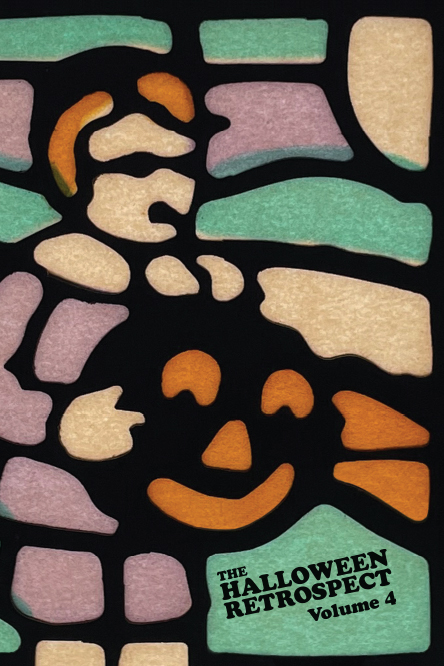
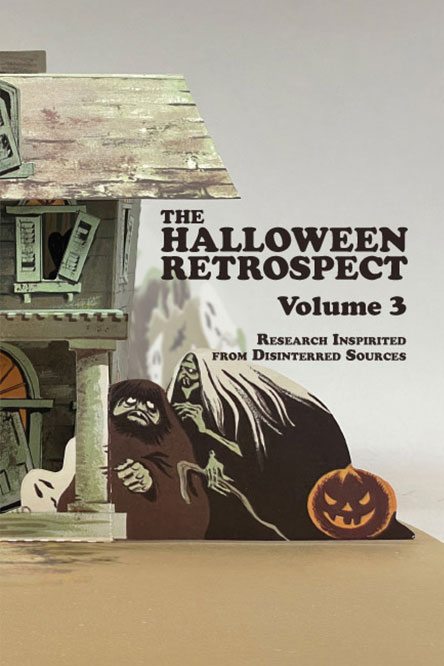
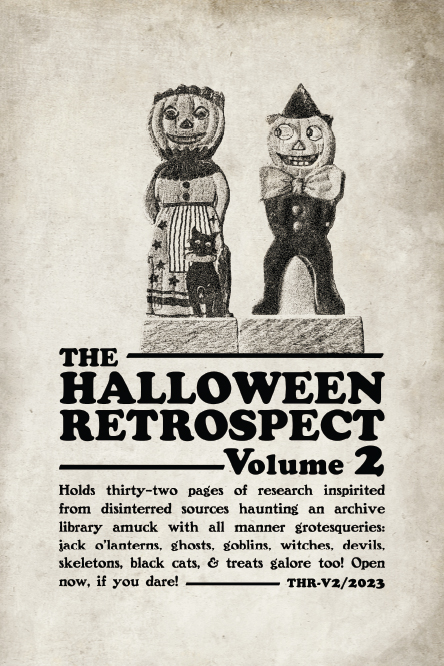
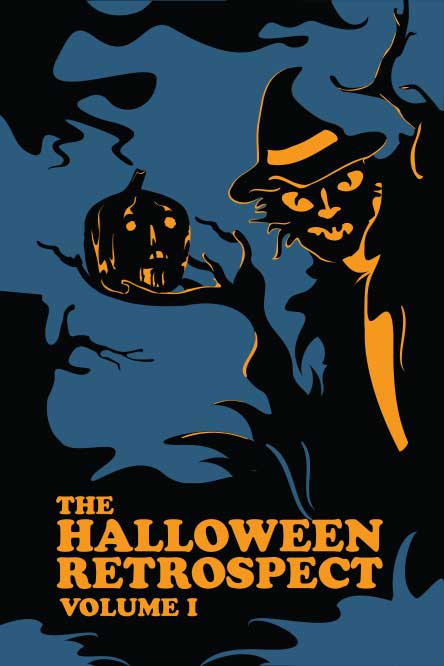
Above gallery displays current titles of vintage Halloween collectible guidebooks and art surveys from The Halloween Retrospect (Click each for more information).
By the way, if you are seeking a quick shortcut to purchase volumes of THR, the Etsy Bookstore helps this author manage: publication quality, required taxes, and sturdy shipping. It also allows for inclusion of THR-picked bonus materials like postcards, posters, crossword puzzles, and most recently an homage art window by vintage-style Halloween artist Bindlegrim @bindlegrim (IG) and Etsy store: https://www.etsy.com/shop/bindlegrim.

PLEASE NOTE: THR does NOT employ AI-generative technology. Content is created by human biological entities to ensure results engage accurate research with mindful artistry.
Follow THR on Instagram @halloweenretrospecs
Follow THR on Facebook Halloween Retrospect